Cost to Paint a House: What Homeowners & Businesses Should Expect
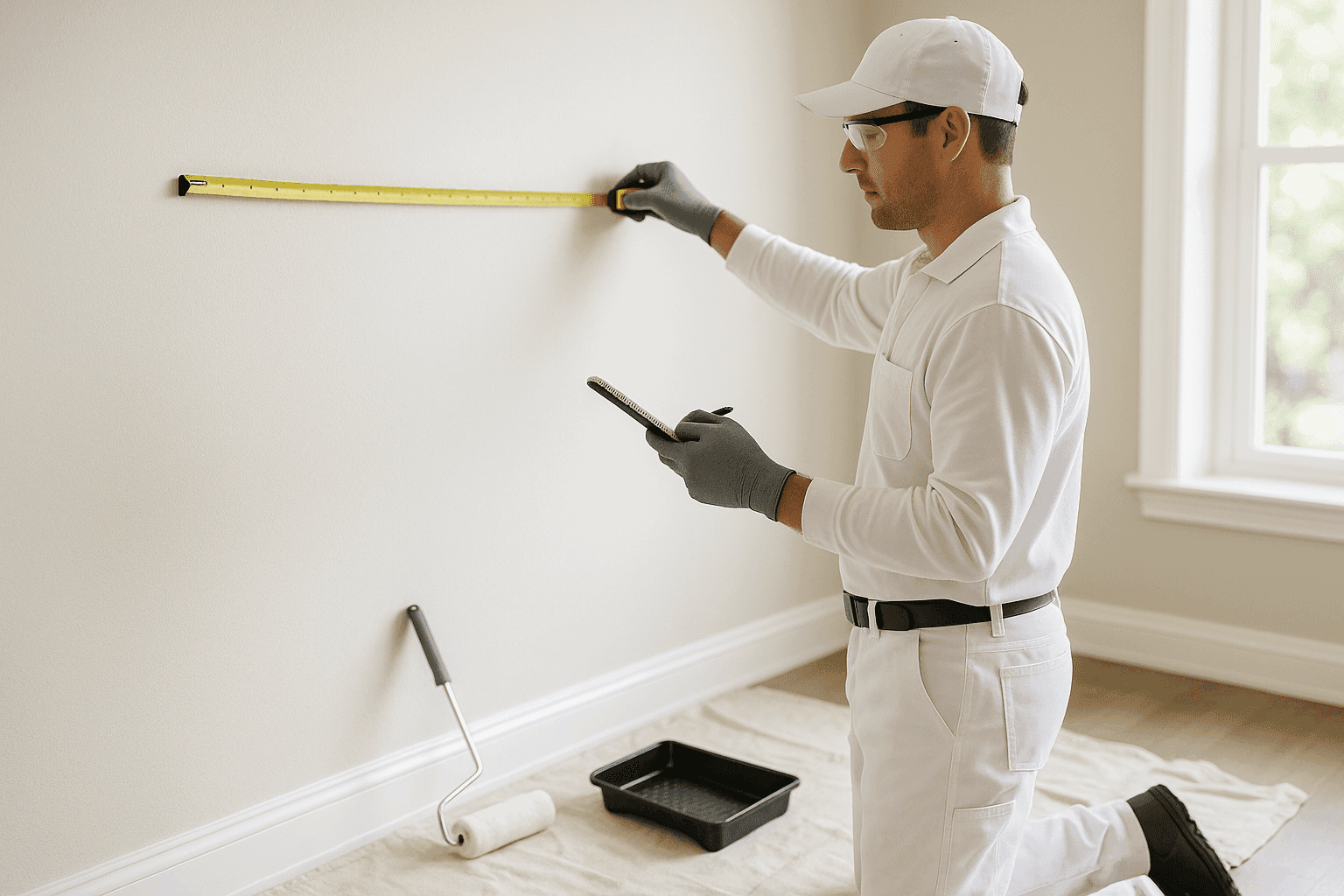
Painting your house or business space is more than just a color change. It’s an investment in your property’s protection, value, and personality. But when it comes time to budget for a new coat, the numbers can feel like a mystery.
At Yas Painting, we know homeowners and businesses want honest pricing, clear expectations, and no surprises. Whether you’re freshening up a living room, restoring a storefront, or tackling a massive industrial floor, understanding what shapes your painting estimate is the first step to a smooth, successful project.
Average Painting Costs for Homes & Businesses 🎨
What should you expect to pay for a professional paint job? The truth: there’s no one-size-fits-all answer.
Interior Painting
For residential interiors, painting can range from $2 to $6 per square foot. That means a typical 2,000 square foot home might cost between $4,000 and $12,000, depending on the number of rooms, ceiling height, and surface conditions. Trim, doors, and specialty finishes nudge the price higher.
Commercial interiors (like offices or retail stores) usually fall between $3 and $8 per square foot. Open layouts might be lower, but specialized spaces—like restaurants or hospitals—often require extra prep, specialty coatings, or off-hours work.
Exterior Painting
Exteriors are a different story. The price per square foot generally runs from $2.50 to $7 for homes, and $3 to $10 for business facades. Taller buildings, difficult access, and old paint removal raise the cost.
What About Small Projects?
- Cabinet Painting: $80–$150 per cabinet box or set of drawers.
- Accent Walls: $200–$700 depending on complexity.
- Decks & Fences: $2–$5 per square foot for painting or staining.
- Garage Floors & Specialty Coatings: $4–$9 per square foot, especially with epoxy or anti-slip finishes.
These are ballpark figures. For a precise number, a walkthrough is essential.
Key Cost Drivers: What Shapes Your Painting Estimate?
Painting is like baking a cake—ingredients, size, and skill all matter. Here’s what goes into your final price.
1. Surface Size & Complexity
- Square Footage: More area means more paint and labor.
- Height & Access: High ceilings or multi-story exteriors need ladders, scaffolding, or lifts.
- Obstacles: Windows, doors, trim, and built-ins take extra masking and detail work.
2. Prep Work: The Hidden Hero
The invisible hours before the first stroke matter most. Surface preparation can account for 20–50% of the total cost.
- Power Washing
- Wallpaper Removal
- Stucco or Drywall Repair
- Caulking & Sanding
- Lead Paint or Graffiti Removal (EPA standards apply)
Poor prep leads to peeling, bubbling, and wasted money down the road.
3. Paint Type & Finish
- Standard Latex or Oil: Basic but durable.
- Eco-Friendly Paint Options: Often cost 10–30% more but offer lower VOCs and healthier indoor air.
- Specialty Coatings: Epoxy, fire-resistant, or antimicrobial paints raise material costs.
4. Labor: Skill, Speed, and Safety
Professional painting is skilled work. Labor rates reflect experience, training, insurance, and safety compliance (see OSHA requirements for commercial/industrial projects).
- Weekend/After-Hours Work: Needed for busy businesses or emergency repairs? Expect a premium.
5. Location & Local Market
Urban vs. rural. Neighborhood expectations. Even the cost of living can nudge labor or material prices up or down.
Specialty Projects: Cabinets, Decks, and Industrial Spaces
Some projects march to their own drum.
Cabinets and Built-Ins
Refinishing cabinets is detail-heavy. It often means removing doors, sanding, priming, and spraying or brushing for a factory-smooth look. Expect higher costs for elaborate trim or multiple colors.
Decks, Fences, and Exteriors
Outdoor wood takes a beating. Staining and sealing protect against sun and rain, but require thorough prep—especially if old finishes are failing. Deck painting or staining costs depend on railings, steps, and whether furniture needs moving.
Industrial and Commercial Spaces
Warehouses, factories, and commercial kitchens call for specialty coatings—think anti-slip, chemical-resistant, or safety colors. These jobs are often scheduled during shutdowns or weekends, and may require extra ventilation or protective gear.
How to Compare Painting Estimates (and Avoid Pitfalls) 🧐
Not all quotes are created equal. Here’s how to read between the lines:
- Scope of Work: Is prep work (like patching holes or sanding) included? Are materials and paint brands clearly listed?
- Surface Area Calculations: Double-check square footage. Some contractors round up.
- Number of Coats: One coat may save money, but two coats often last longer and look better.
- Labor Breakdown: Separate line items for labor, materials, prep, and cleanup show transparency.
- Hidden Fees: Watch for charges like fuel surcharges, “rush” fees, or disposal costs. Ask for all fees in writing.
Pro tip: The cheapest estimate isn’t always the best value. Investing in quality prep and materials means fewer headaches (and repaints) later.
Cost-Saving Tips for Homeowners and Businesses
Want your dollar to go further? Try these:
- Bundle Projects: Painting several rooms or areas at once often reduces the per-room cost.
- Flexible Scheduling: Off-peak seasons (late fall or winter) may yield better rates.
- Choose the Right Finish: High-traffic areas need durable, washable paints. Skimping here means more touch-ups.
- Color Consultation: Picking the right shade the first time avoids costly do-overs.
- Complete Repairs First: Fix drywall, leaks, or window seals before painting to prevent new damage.
Seasonal Surges and Emergency Charges
Painting is weather-dependent. Spring and summer are peak times, which can push prices higher due to demand.
- Storm Repairs: Sudden leaks or exterior damage? Emergency painting or water sealing is available—but often costs 25–50% more for rapid response.
- Cold Weather: Some specialty paints can be applied in cold, but others can’t cure properly. Scheduling flexibility can save both time and money.
FAQ: Your Painting Cost Questions Answered
How long does a typical paint job last?
Most quality interior jobs last 5–10 years; exteriors 5–7, depending on exposure and maintenance.
Is it cheaper to paint yourself?
DIY may save on labor, but if you miss prep or use the wrong products, repairs can cost more in the long run.
Are eco-friendly paints worth it?
For homes with kids, pets, or allergies, low-VOC or zero-VOC paints offer healthier indoor air. They may cost more upfront, but the benefits often outweigh the initial price difference.
What if I find lead paint?
Follow EPA guidelines for safe removal. Hire certified professionals to avoid exposing your family or staff to toxic dust.
Local & Seasonal Considerations
Every region has its quirks—humidity, temperature swings, or city permit requirements. At Yas Painting, we know the rhythm of the seasons, local codes, and which paints stand up to your climate. We’re ready for the unexpected: from sudden weather shifts to last-minute repairs after a storm.
Why Quality Painting Pays Off
A good paint job does more than look sharp. It protects your investment, boosts your property’s curb appeal, and can even improve indoor air quality. Don’t let a bargain-basement bid fool you—skimping now often means paying double later.
Ready to get started? Let Yas Painting guide you through a smooth, honest process that fits your goals and budget.
Call Yas Painting now — or reach us anytime at 855-513-8514 .