How to Prepare Any Surface for Flawless Painting Results
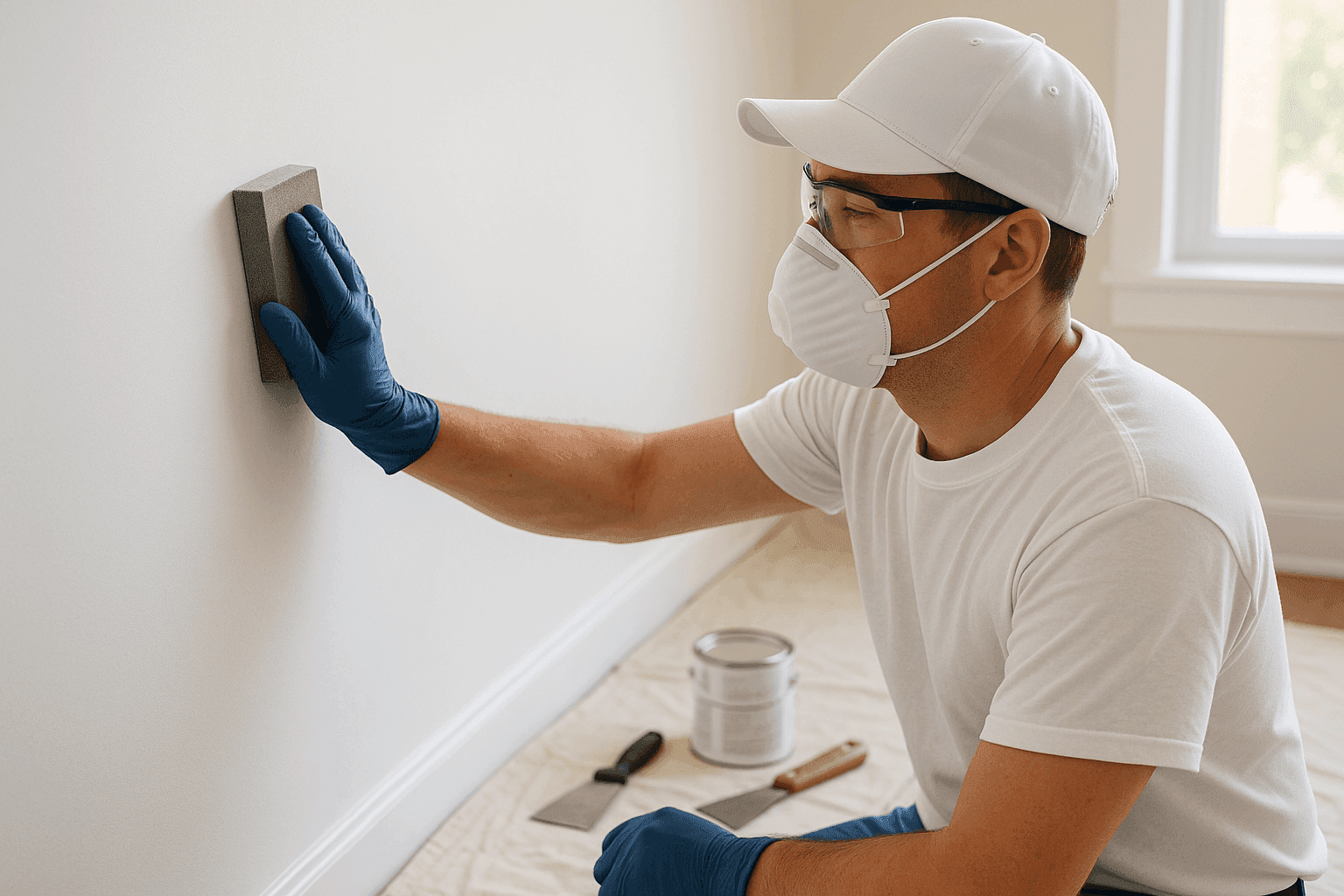
Painting is like baking—success depends on the prep as much as the process. You wouldn’t frost a cake that’s still warm, so why paint a wall that’s dusty or cracked?
At Yas Painting, we’ve seen paint jobs fall flat because of rushed prep. Whether you’re planning a fresh accent wall in your living room or tackling a massive commercial space, the key to a flawless finish isn’t just in the brush or roller. It’s in the groundwork you lay before the first drop of paint is poured.
Why Surface Preparation Matters
Think of painting as building a house. If the foundation is shaky, even the best materials won’t hold up. Clean, smooth, and properly primed surfaces help paint stick better, last longer, and look brighter. Skipping steps now can mean ugly peeling, bubbling, or fading later.
For both homeowners and business owners, proper surface prep saves you money, time, and headaches. It also means you won’t be calling for a do-over in six months. The goal? A surface that’s ready to grab paint and hold on for years.
Tools & Materials Checklist 🛠️
Before you get started, gather the right gear. Here’s what the pros at Yas Painting rely on:
- Drop cloths and painter’s tape
- Scrapers and putty knives
- Sandpaper (various grits)
- Spackle or patching compound
- Clean rags and buckets
- Mild detergent or specialized cleaners
- Power washer (for exteriors and large jobs)
- Primer (chosen for your surface: wood, metal, drywall, masonry, etc.)
- Respirator mask, gloves, and protective eyewear
- Utility knife
- Caulk and caulking gun (for cracks and trim)
- Paint stir sticks and trays
Having these on hand sets you up for smooth sailing.
Cleaning and Repairing Surfaces
Every masterpiece starts with a clean canvas. Here’s how we prep surfaces, whether it’s a kitchen cabinet, a stucco wall, or a factory floor:
Cleaning
- Wipe away dust, dirt, and grease. Use a damp rag and mild soap. For commercial spaces, degreasers may be necessary.
- Remove mildew or mold. Use a mixture of water and bleach (1:3 ratio), wearing gloves and a mask. If you spot moisture issues, stop and investigate before moving on.
- Power wash exteriors. For siding, decks, or concrete, power washing blasts away stubborn grime fast.
Repairing
- Fill holes and cracks. Spackle for drywall, wood filler for trim, masonry filler for block or brick. Let dry completely.
- Sand rough spots. Use medium to fine grit sandpaper for a smooth, even surface. Always sand in the direction of the grain on wood.
- Replace rotten or crumbling areas. If wood is soft or drywall is crumbling, replace rather than patch. Painting over damage is like painting over a wet sponge—no good.
Dealing with Old Paint and Stains
Old paint can be a blessing or a curse. Here’s how we tackle it:
- Scrape loose or flaking paint. Use a sharp scraper or wire brush.
- Sand glossy surfaces. This helps new paint stick. For large areas, a pole sander or electric sander saves time.
- Remove stains. Water stains, ink, or smoke residue can bleed through new paint. Use a stain-blocking primer after cleaning.
- Test for lead paint (pre-1978 homes). If you suspect lead, follow EPA guidelines and use certified lead-safe practices. Never dry-sand lead paint; hire a pro for safe removal.
Priming for Different Materials
Primer is the unsung hero of great painting. It locks in stains, seals porous surfaces, and creates the perfect grip for your color.
Wood
- Bare wood: Always prime. Use oil- or latex-based primer for interior; exterior wood needs a weatherproof option.
- Previously painted wood: Spot-prime bare spots after sanding.
Drywall
- New drywall: Needs a dedicated drywall primer/sealer.
- Patched areas: Spot-prime to avoid flashing (uneven sheen).
Metal
- Bare metal: Use rust-inhibiting primer. Remove rust first. For galvanized metal, a specific bonding primer is best.
- Previously painted metal: Sand and clean, then spot-prime exposed areas.
Masonry (Brick, Concrete, Stucco)
- New masonry: Must cure for at least 30 days. Then use masonry primer.
- Efflorescence (white powder): Clean with a stiff brush and mild acid solution, rinse, then prime.
Common Mistakes to Avoid ⚠️
Even seasoned DIYers stumble here. Watch out for these pitfalls:
- Skipping cleaning. Paint won’t stick to grime, grease, or mildew.
- Not letting surfaces dry fully. Moisture trapped under paint leads to peeling.
- Ignoring repairs. Paint can’t hide holes or cracks—it just highlights them.
- Wrong primer. Not all primers are created equal. Match to your surface.
- Painting in extreme temps or humidity. Paint needs Goldilocks conditions—not too hot, not too cold, not too damp.
Quick Safety Checklist
Protect yourself, your family, and your property. Always:
- Wear a respirator when sanding or dealing with chemical cleaners.
- Use gloves and eye protection.
- Ventilate workspaces—open windows, set up fans.
- Keep drop cloths over floors and furniture.
- Store materials safely away from kids and pets.
Refer to guidelines from OSHA and the EPA for specifics on lead, mold, and chemical safety.
Diagnosing Underlying Issues Like Pros
A pro’s eye sees more than just what’s on the surface. Here’s what we check:
- Mold or mildew: Indicates trapped moisture. Address leaks or ventilation before painting.
- Efflorescence on masonry: White powder means water is moving through walls. Seal and repair before priming.
- Soft or spongy wood: Signals rot. Replace, don’t just patch.
- Bubbling or peeling paint: Points to moisture, poor prep, or incompatible previous coatings.
If you’re unsure about anything you find, stop and consult a qualified painting contractor.
Tips for Residential vs. Commercial Projects
- Residential: Focus on details—baseboards, trim, ceilings, and high-traffic areas. Move or cover furniture, remove wall hangings.
- Commercial: Schedule work during off-hours. Prep large surfaces efficiently with sprayers and commercial-grade cleaners. Address safety—cordon off areas, post signage.
Seasonal Considerations 🌦️
Paint behaves differently depending on the season.
- Humidity: High humidity slows drying and can cause bubbling. Use dehumidifiers if needed.
- Temperature: Most latex paints prefer 50–85°F. Too cold, and paint won’t cure; too hot, and it dries too quickly.
- Rain and dew: Outdoor painting? Wait for dry days and check the forecast.
For best results, always follow manufacturer instructions—found on every paint or primer can.
FAQ
How long should I wait after cleaning before painting?
Surfaces must be completely dry. This can take a few hours to overnight, depending on material and weather.
Do I need to prime if I’m using a paint-and-primer-in-one?
Sometimes. Paint-and-primer-in-one products work best on clean, previously painted surfaces. For bare wood, metal, or problem areas, separate primer is best.
Can I use household cleaners on all surfaces?
No. Avoid harsh chemicals on wood or drywall. Use mild detergent for most surfaces, and specialized products for tough stains or mold.
What if I find lead paint?
Stop work immediately. Follow EPA’s Renovation, Repair and Painting (RRP) Rule. Hire a certified professional for safe removal.
Final Thoughts
Perfect painting starts long before the first brushstroke. Clean, repair, sand, and prime—these steps are the backbone of a finish that lasts. Whether you’re planning a mural, tackling a garage floor, or refreshing your office, the prep you do today keeps your space looking great tomorrow.
Call Yas Painting now — or reach us anytime at 855-513-8514 .