Emergency Painting Repairs: What Homeowners and Businesses Should Know
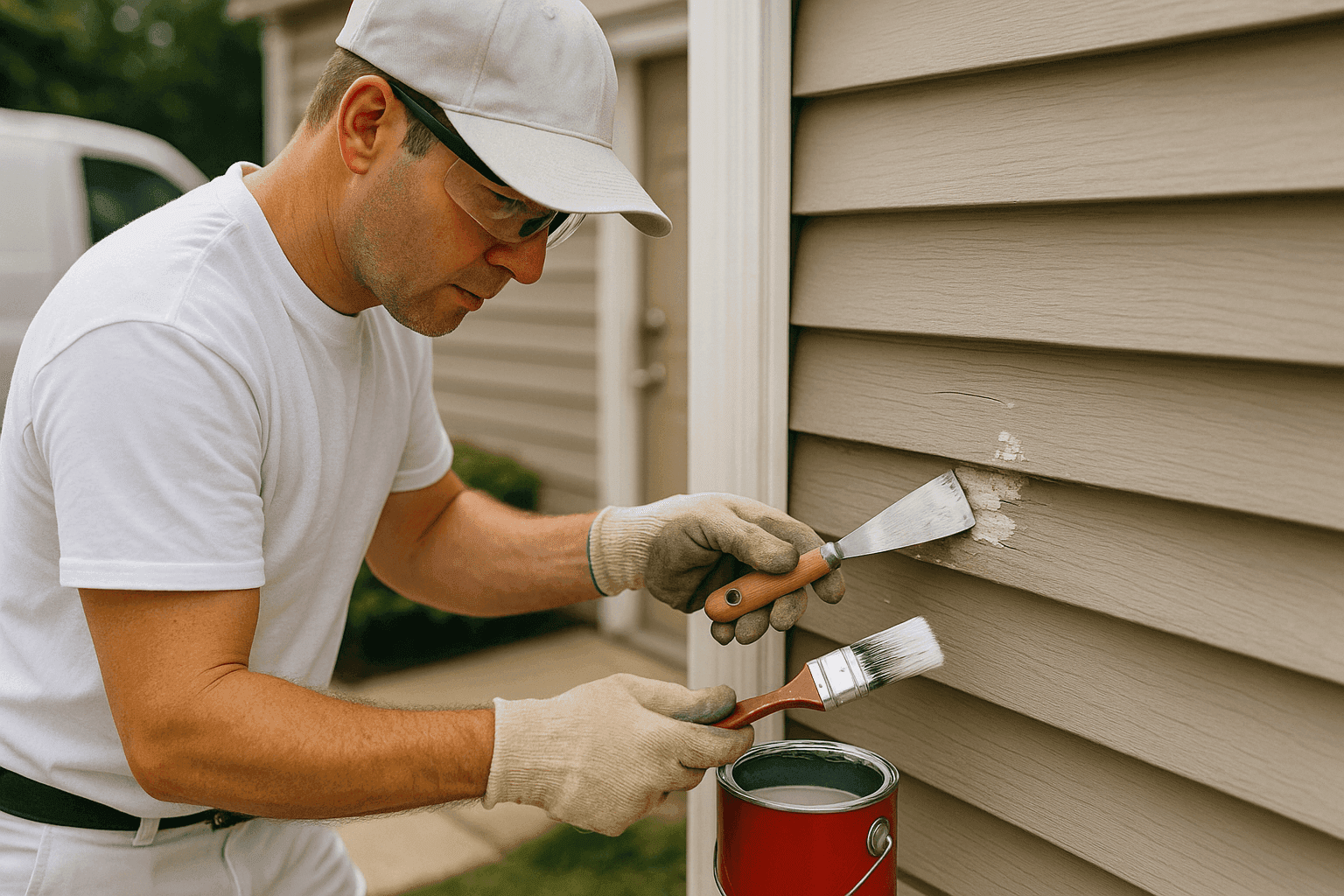
When paint peels, cracks, or washes away overnight, it can feel like your space is falling apart. Whether you’re a homeowner or a business owner, sudden paint damage isn’t just unsightly—it can leave surfaces exposed and vulnerable. At Yas Painting, we understand how urgent these moments can be. You need answers, fast.
This guide walks you through what to look for, how to act, and when to call in the pros for emergency painting repairs. Let’s help you restore safety and peace of mind—one brushstroke at a time.
Signs You Need Emergency Painting Repairs 🛑
Sometimes, damage sneaks up quietly. Other times, it hits like a thunderclap. Here’s how to spot when a painting emergency is more than just a cosmetic issue:
- Water Stains or Bubbling Paint: These can mean leaks inside walls or ceilings. Left alone, they invite mold and structural damage.
- Peeling or Flaking Paint: Often caused by moisture, poor prep, or old age. It exposes wood, drywall, or metal to the elements.
- Cracks or Holes: Whether from storms, accidents, or settling, these can grow quickly and undermine safety.
- Chalking or Powdery Surfaces: If you rub your hand on the wall and it comes away dusty, the paint is breaking down.
- Faded or Discolored Areas: Sudden color changes can mean chemical reactions or water intrusion.
Urgency tip: If you see bare wood, bubbling, or large cracks—especially after a storm or plumbing issue—treat it as an emergency.
Quick Fixes for Interior and Exterior Surfaces
When disaster strikes, a fast response matters. Here’s how to patch things up before bigger problems set in.
Interior Repairs
- Drywall Patching: For holes or dents, use a quick-set spackle or drywall patch kit. Let it dry, sand lightly, and apply matching paint.
- Paint Touch-Ups: For scuffs or small chips, clean the area first. Use the same paint type and sheen for best blending.
- Sealing Water Damage: If water is still present, dry the area thoroughly. Apply a stain-blocking primer before painting to prevent bleed-through.
Exterior Repairs
- Surface Preparation: Scrape away loose paint, sand rough edges, and clean off dirt or mildew.
- Deck and Fence Repair: Replace damaged boards, spot-prime exposed wood, and apply a weatherproof stain or paint.
- Stucco and Masonry: Use patching compounds for cracks. Once set, cover with a matching exterior paint.
Tools and Materials for Emergency Repairs
Having the right tools is half the battle. Here’s what helps in a pinch:
- Quick-dry spackle or joint compound
- Stain-blocking primer (look for low-VOC or eco-friendly options)
- Quality brushes, rollers, or a paint sprayer
- Painter’s tape and drop cloths
- Exterior-grade caulk for sealing gaps
- Moisture meter (for detecting hidden water issues)
- Protective gear: gloves, goggles, and masks
Eco-friendly tip: Many brands now offer low-odor, low-VOC paints and primers. These are safer for indoor air and the environment—especially important for homes and businesses with children, pets, or sensitive individuals.
When to Call a Professional Painter
Some jobs are too risky or complex for DIY. Here’s when you should reach out to a professional like Yas Painting:
- Extensive Water or Mold Damage: Mold can be hazardous. Professionals follow safety standards like those from the EPA for remediation.
- Lead Paint Concerns: Homes and businesses built before 1978 may have lead paint. Certified contractors use special removal and containment methods, as recommended by OSHA and the EPA.
- High or Hard-to-Reach Areas: Ladders and scaffolding can be dangerous without proper training.
- Large Surface Areas: If more than a small patch is affected, pros can repair, prep, and repaint efficiently.
- Specialty Surfaces: Metal, stucco, concrete, and textured finishes require specific coatings and techniques.
A professional will assess the damage, recommend the right materials, and restore your property to a safe, attractive state—often with less downtime or disruption.
Preventing Future Damage
An ounce of prevention is worth a gallon of paint. Here’s how to keep your walls, trim, and exterior looking sharp:
- Regular Inspections: Walk around your property every season. Look for peeling, cracks, or discoloration.
- Prompt Repairs: Fix small chips and cracks before they grow.
- Proper Surface Prep: Before painting, clean thoroughly and repair any damage. This helps the new paint stick and last longer.
- Seal Gaps: Use caulk around windows, doors, and trim to block moisture.
- Gutter Maintenance: Keep gutters clear so water flows away from your home or business.
- Choose Durable Finishes: For high-traffic or weather-exposed areas, opt for paints and stains rated for heavy use or harsh conditions.
Maintenance tip: Schedule a professional inspection every couple of years—especially after severe weather.
Costs and Time Factors
Emergency painting repairs can range from quick fixes to more involved projects. Here’s what affects cost and timing:
- Size of the Damaged Area: Small patches cost less and take less time. Large repairs, especially on exteriors, require more prep and materials.
- Type of Surface: Drywall, wood, stucco, and metal all need different approaches.
- Access and Safety Needs: Hard-to-reach areas or jobs requiring special equipment may increase costs.
- Paint and Material Choices: Specialty or eco-friendly products may cost more but often provide better durability or health benefits.
- Urgency: After-hours or weekend service can be more expensive.
Most emergency repairs can be completed in a few hours to a day, but extensive jobs—like full exterior repainting or major water damage—can take longer.
When It’s an Emergency
Not every paint issue is an emergency. Here’s how to tell:
- Is there exposed wood, drywall, or metal? These can deteriorate quickly if left unprotected.
- Is water involved? Water damage can escalate fast, leading to mold or rot.
- Is safety at risk? Peeling paint on stairs, walkways, or handrails can cause slips or splinters.
- Is your business open to the public? Visible damage can affect customer trust and may violate health or safety codes.
If you answer “yes” to any of these, treat it as urgent and act quickly.
FAQ
What’s the fastest way to patch a hole in drywall?
Clean the area, apply a self-adhesive patch or quick-dry spackle, smooth it out, and let it dry. Sand lightly and touch up with matching paint. For larger holes, a drywall repair kit works best.
Can I paint over mold or water stains?
No. Always fix the source of moisture first. Remove mold safely (following CDC guidelines), dry the area, and use a stain-blocking primer before repainting.
Are eco-friendly paints as durable as regular ones?
Yes—many low-VOC and eco-friendly paints now match or exceed traditional paints in durability, especially when applied with proper prep.
How soon can I repaint after a leak or flood?
Wait until the area is fully dry—use a moisture meter to check. Painting too soon can trap moisture, leading to peeling or mold.
Special Considerations for Emergency Painting
- Lead Paint: Only certified professionals should handle removal or repairs, following EPA Renovation, Repair and Painting (RRP) rules.
- Workplace Safety: Commercial and industrial sites may require compliance with OSHA safety standards—especially for high surfaces or hazardous materials.
- Weather Conditions: For exterior repairs, temperature and humidity matter. Paints and coatings have recommended application ranges for best results.
- Sensitive Environments: In schools, healthcare, or food businesses, choose paints with low odor and minimal toxins.
Emergency painting isn’t just about a fresh look—it’s about protecting your property, health, and investment.
Call Yas Painting now — or reach us anytime at 855-513-8514 .