Interior vs. Exterior Paint: What’s the Difference and Why It Matters
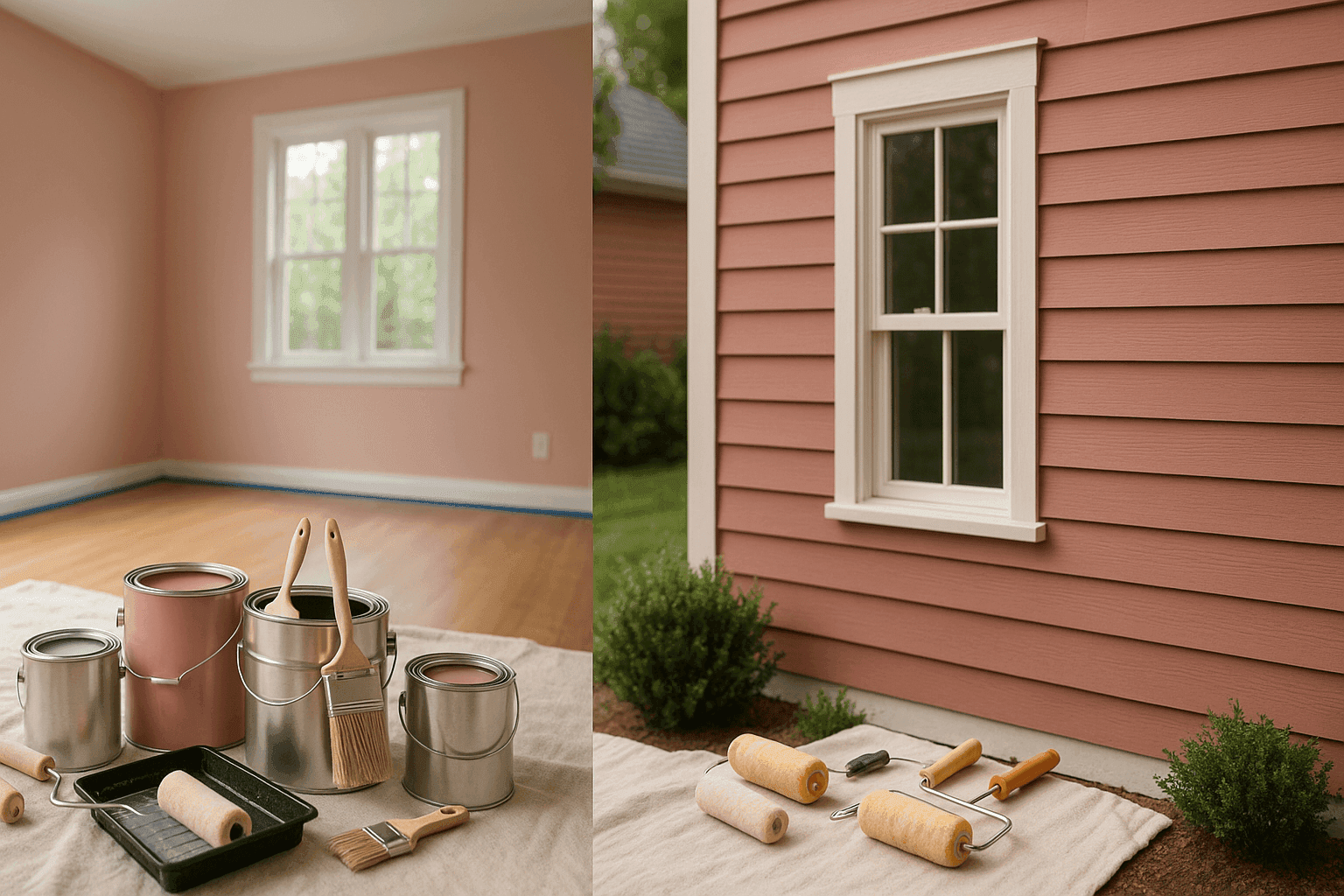
Does picking paint feel overwhelming? You’re not alone. The label isn’t just about color—choosing between interior and exterior paint can make or break your project, whether it’s a cozy living room or a bustling storefront. The wrong choice can lead to peeling, fading, or even costly repairs down the road.
At Yas Painting, we help homeowners and businesses avoid those headaches. With decades of brush, roller, and spray experience, our team knows what works and why. Let’s break down what sets these paints apart—and how you can get the most from every drop.
What Makes Interior Paint Different
Interior paint is like your favorite sweater: comfortable, smooth, and designed for the indoors. It’s crafted for spaces where touchability and air quality matter. Here’s what sets it apart:
- Low Odor, Low VOCs: Most interior paints have reduced volatile organic compounds (VOCs). That means fewer fumes—better for kitchens, bedrooms, or anywhere families gather.
- Easy Cleaning: Formulated to resist stains and allow for scrubbing. Kids, pets, and office foot traffic? No problem.
- Smooth Finish: Designed for a flawless look under indoor lighting, whether you’re aiming for eggshell, satin, or matte.
- Less Harsh Additives: Interior paints don’t need to fight rain, snow, or UV rays. They focus on color retention and washability.
Pro Tip: For accent walls or specialty areas like cabinets and trim, choose paints labeled for high-traffic or washable surfaces. These stand up better to fingerprints and scuffs.
Why Exterior Paint Is Built to Last 🏠
Exterior paint is your home’s raincoat and sunscreen all in one. It shields against wind, weather, and sun. Here’s why it’s different:
- Weather Resistance: Packed with additives to resist moisture, mildew, and temperature swings. Think of it as armor for siding, fences, or stucco.
- UV Protection: Contains special resins and pigments to keep colors vivid under harsh sunlight. No more chalky, faded exteriors.
- Flexibility: Exterior paint expands and contracts with the surface—critical for wood, stucco, and even metal exposed to the elements.
- Strong Adhesion: Binds tightly to rough or previously painted surfaces, reducing peeling or bubbling.
Special Situations:
- Stucco & Concrete: Use masonry-specific paints. These breathe, letting trapped moisture escape while blocking rain.
- Metal: Pick rust-inhibiting primers and topcoats. For garage doors or railings, these prevent corrosion.
- Garages & Floors: Epoxy or specialty coatings resist hot tires, oil, and heavy foot traffic.
Application Tips for Each
Painting isn’t just about rolling color on a wall. The right prep makes all the difference.
Interior Painting Tips
- Surface Prep: Fix drywall dents and clean surfaces. Even minor dust can mess with adhesion.
- Primer: Don’t skip it—especially if you’re switching from dark to light colors or painting over stains.
- Ventilation: Open windows and use fans. Even low-VOC paints need fresh air during and after application.
- Tools: Use quality brushes for trim and rollers for large walls. For cabinets or doors, a sprayer can give a professional finish.
Exterior Painting Tips
- Timing Matters: Paint on dry days with mild temperatures. Paint won’t cure right in rain, extreme heat, or cold.
- Power Washing: Start with a clean slate—remove dirt, mildew, and loose paint.
- Primer: Essential for bare wood, metal, or patched areas. It helps paint grip and last longer.
- Multiple Coats: Don’t skimp. Two coats mean deeper color and better protection.
For Decks and Fences: Use stains or paints formulated for wood. These soak in and flex as temperatures change, preventing peeling.
Common Mistakes to Avoid 🚫
Choosing the wrong paint isn’t just a minor misstep—it’s like wearing running shoes to a formal dinner. Here are pitfalls to dodge:
- Using Interior Paint Outdoors: It’ll fade, peel, or crack—sometimes in just a season.
- Skipping Surface Prep: Paint over dirty, glossy, or flaking surfaces, and you’ll see bubbles or chips.
- Wrong Paint for Specialty Surfaces: Floors, metal, and stucco all need tailored products.
- Ignoring Manufacturer’s Instructions: Dry times, recoat windows, and safety notes matter.
Pro Insight: Always follow local building codes and safety guidelines, especially for lead paint removal (see EPA’s RRP rule) and proper disposal.
Specialty Situations: What to Know
Every surface has its own needs. Here’s how to handle the tricky ones:
- Garages & Concrete Floors: Use epoxy or specialty floor coatings. These handle cars, spills, and heavy use.
- Stucco: Needs breathable, flexible paint—acrylic or elastomeric varieties work best.
- Metal Surfaces: Always start with a rust-inhibiting primer. Top with a weather-resistant enamel.
- Cabinets & Furniture: Hard-wearing, scrub-friendly paints give a durable, furniture-grade finish.
Cabinet Refinishing Tip: Remove hardware, label doors, and sand thoroughly before painting or staining.
How to Maximize Your Paint Investment 💡
Paint is more than color—it’s protection and personality. Here’s how to get the most out of your painting budget:
- Quality Over Price: Cheap paint often needs more coats and fades faster. Invest in reputable brands.
- Professional Preparation: The best finish starts with sanding, patching, and priming.
- Color Consultation: Unsure what works for your space? Color experts can help you match tones to your lighting and décor.
- Routine Maintenance: Clean and inspect painted surfaces regularly. Touch up chips before they become bigger problems.
Frequently Asked Questions
Can I use exterior paint inside my home?
It’s not recommended. Exterior paints contain additives for weather resistance but may have higher VOCs and stronger odors. They’re not designed for enclosed spaces where indoor air quality matters.
How long should paint last?
Quality interior paint can last 5–10 years, depending on traffic and wear. Exterior paint typically lasts 5–7 years—less in harsh climates, more with proper prep and maintenance.
What’s the best paint for bathrooms or kitchens?
Look for mildew-resistant, washable paints. Satin or semi-gloss finishes handle moisture and scrubbing better than flat paints.
How do I know if I have lead paint?
Homes built before 1978 may have lead-based paint. For safety, consult EPA guidelines or hire certified professionals for testing and removal.
A Painter’s Recommendation: When to DIY and When to Call Yas Painting
Some projects, like a quick accent wall or small touch-ups, are great for DIY. But for large exteriors, multi-surface jobs (like garages or stucco), or when lead paint is present—professional help saves time, money, and stress.
At Yas Painting, we bring the right tools, know-how, and safety standards to every job, from Roller Painting near you to commercial spaces. We stay up to date with the latest paint technologies and safety codes.
Choosing the Right Paint: The Bottom Line
Paint isn’t just decoration—it’s defense, comfort, and curb appeal. The right product, applied the right way, means a space that looks great and stands strong against everyday challenges. Don’t let a simple label cost you in the long run.
Call Yas Painting now — or reach us anytime at 855-513-8514 .