Seasonal Painting Tips: Protecting Your Home Before and After Storms
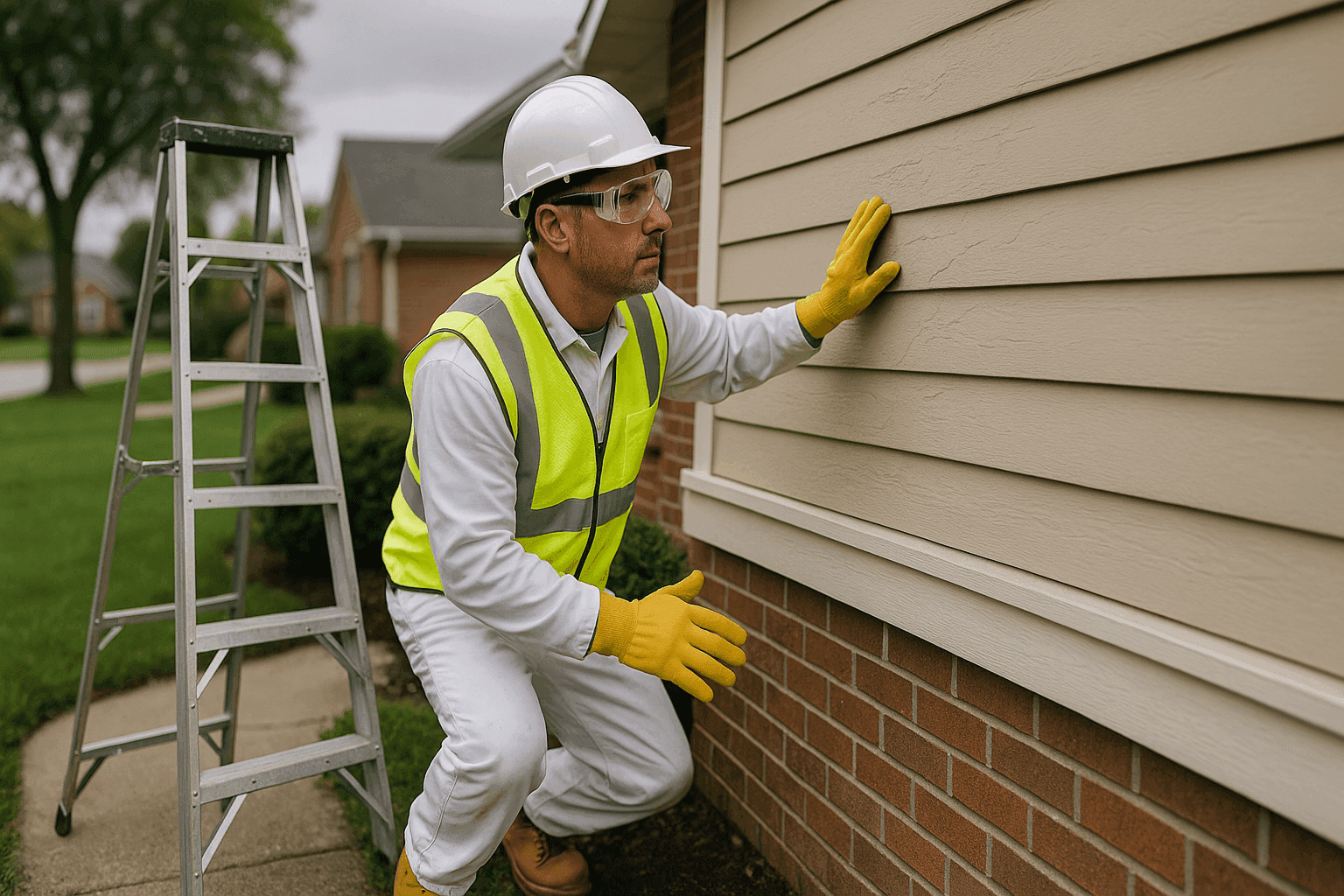
Storm season can feel like nature’s pop quiz for your home or business. The right paint job acts like a raincoat—shielding everything underneath. But even the best surfaces need a little extra care when wild weather is on the way.
At Yas Painting, our crew sees firsthand how storms test every brushstroke. We’ve gathered the essentials you need to storm-proof your painted finishes—whether you’re a homeowner, property manager, or business owner. Here’s how to keep your paint strong, year-round.
How Weather Impacts Paint
Mother Nature is a tough critic. Rain, wind, hail, and humidity all take their toll, turning a beautiful finish into a peeling mess if you’re not prepared.
- Rain and Moisture: Water can sneak into tiny cracks, causing paint to bubble, peel, or even flake away. Left alone, it’s an open invitation for mold and rot.
- Wind: High winds throw debris against surfaces, chipping and scratching paint—especially on exterior walls, fences, and decks.
- UV Rays: Sunlight acts like a slow eraser, fading colors and drying out protective coatings.
- Temperature Swings: Sudden changes make surfaces expand and contract. Over time, this causes cracks in both paint and substrate.
Think of your paint as a shield. The better the shield, the less damage storms can do.
Pre-Storm Surface Prep 🛡️
When storms are in the forecast, a little prep goes a long way. Here’s what to do before the clouds roll in:
- Inspect Surfaces: Walk around your property. Look for cracks, chips, or bubbling paint—these are weak spots.
- Clean Thoroughly: Dirt, mold, or old leaves hold moisture against your surfaces. Use power washing for large areas; for small spots, a gentle scrub with soap and water works.
- Touch Up Early: Patch and paint any trouble areas. For roller painting near you, it’s smart to use weather-resistant products designed for your local climate.
- Seal Gaps: Use caulk around windows, doors, and trim to keep rain out.
- Move Furniture: For painted decks, patios, or garage floors, shift outdoor furniture and planters away from edges to prevent water pooling.
For commercial properties, check high-traffic areas and loading docks. These see the most wear and tear and are first to show trouble after a storm.
Emergency Repairs After Storms ⚡
Once the storm passes, it’s time for damage control. Move quickly, but stay safe.
- Assess for Safety First: Before anything else, check for hazards. Downed wires, slippery surfaces, and sharp debris come first. Always follow OSHA guidelines and local building codes.
- Document Damage: Take photos of affected areas—important for insurance and repair planning.
- Dry Out Wet Surfaces: Use fans or dehumidifiers to dry damp spots before doing any painting. Trapped moisture leads to blistering and mold.
- Remove Loose Paint: Scrape flaking or peeling areas gently. Don’t sand or power wash if you suspect lead paint (call a certified professional).
- Temporary Protection: For exposed wood or metal, apply a quick-drying primer or tarp until you can do a full repair.
For businesses, quick action minimizes downtime. Schedule repairs during off-hours if possible to avoid disrupting operations.
Best Products for Weather Resistance
Not all paints are created equal. Some are built for battle.
- Acrylic Exterior Paints: These flex with the weather and resist cracking.
- Elastomeric Coatings: Think of these as rubber jackets for your building—great for stucco and masonry.
- Epoxy Floor Coatings: Perfect for garage floors and commercial spaces; they resist water, oil, and heavy traffic.
- Stain-Blocking Primers: These keep out moisture and help paint stick longer on wood, drywall, or masonry.
- Eco-Friendly Paints: Modern formulations offer low-VOC options that are tough on weather but gentle on the planet.
Look for products labeled as mildew-resistant or formulated for extreme temperatures. Always check manufacturer recommendations and local code requirements.
Ongoing Maintenance: Keep Paint Storm-Ready 🌦️
A single coat of paint won’t last forever. Like checking the oil in your car, regular upkeep keeps everything running smoothly.
- Annual Inspections: Walk your property each season. Catch damage early.
- Clean Surfaces: Wash away dirt, pollen, and mildew. Power washing works, but use low pressure on older finishes.
- Reapply Sealant: Every few years, reseal decks, fences, and trim—especially in high-rain areas.
- Trim Trees and Shrubs: Overhanging branches can scratch siding, while leaves trap moisture against walls.
- Address Small Issues Promptly: A quick touch-up now saves hours of repair later.
For commercial clients, consider a maintenance schedule. Regular touch-ups on high-traffic zones preserve your property’s image and value.
When to Call an Expert
Some jobs are better left to pros—especially when safety or specialized coatings are involved.
- Lead Paint Removal: Homes built before 1978 may have lead-based paint. Only certified professionals should handle removal.
- Height or Difficult Access: Multi-story buildings, steep roofs, and tall fences require proper safety gear and training.
- Severe Mold or Water Damage: If you spot black mold or soggy drywall, call in restoration experts before repainting.
- Industrial or Specialty Coatings: Factories, warehouses, and commercial kitchens need coatings that meet OSHA and fire codes.
Yas Painting’s crew is trained in safe, efficient repairs and can recommend the right solution for your needs.
Safe Emergency Cleanup Procedures
Storm damage cleanup can be hazardous. Here’s how to stay safe:
- Wear Protective Gear: Gloves, goggles, and masks protect against dust, mold, and chemicals.
- Ventilate: Open windows or use fans when scraping or painting indoors.
- Dispose of Debris Properly: Old paint chips, especially from lead-based paints, should be handled according to local hazardous waste guidelines (see the EPA’s recommendations).
- Watch for Electrical Hazards: Never use water or power tools near exposed wiring.
Costs & Time Factors
Every storm and property is different. Here’s what typically affects repair scope:
- Extent of Damage: Minor touch-ups are quick. Full surface restoration takes longer.
- Surface Type: Stucco, wood, metal, and brick all require different approaches.
- Access: High, hard-to-reach spots add time and complexity.
- Product Choice: Specialty coatings may require extra drying time or multiple layers.
Expect smaller repairs to take a few hours, while whole-house projects could span several days. Commercial and industrial projects may require phased scheduling.
FAQ: Seasonal Painting & Storms
How soon can I repaint after a storm?
Wait until all surfaces are fully dry—usually 24-72 hours, depending on humidity.
Do I need to repaint every year?
No. With the right prep and products, most exterior paints last 5-10 years. Touch-ups and maintenance stretch this even further.
Can I use interior paint outside in an emergency?
Never. Exterior paints are formulated to handle weather; interior paints will peel and fail outdoors.
What’s the best way to prevent water damage?
Prep surfaces thoroughly, use high-quality primers and sealants, and inspect yearly for cracks or gaps.
Local & Seasonal Considerations 🌳
Every region has its challenges. Whether you deal with hurricanes, snowstorms, or summer downpours, adjust your painting strategy accordingly.
- Humid Climates: Mold-resistant paints and frequent cleaning are key.
- Coastal Areas: Salt air accelerates corrosion—choose rust-resistant primers for metal.
- Mountain Zones: UV-resistant coatings protect against intense sunlight and rapid temperature swings.
- Urban Environments: Power washing and graffiti-resistant coatings help maintain appearance.
Check local building codes for recommended products and safety guidelines. Resources like the National Weather Service and EPA provide up-to-date information on storm safety and environmental regulations.
Ready to weatherproof your home or business?
Call Yas Painting now — or reach us anytime at 855-513-8514 .